
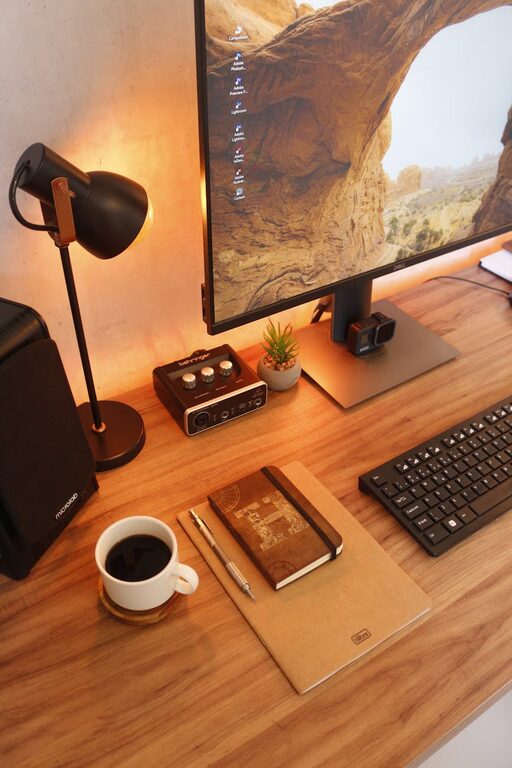
Creating a home office that feels cozy and helps you stay productive can make a big difference in your work-from-home experience. Whether you’re starting from scratch or updating an existing space, thoughtful design and organization can help you focus better and enjoy your workday more. Here are some practical tips for setting up a home office that balances comfort with efficiency.
Choose the Right Location
Finding the right spot in your home is the first step. Ideally, pick a quiet area with minimal distractions where you can concentrate. A corner in a spare room, a section of your bedroom, or even a space in the living room can work well.
– Look for natural light, which can improve mood and reduce eye strain.
– Avoid placing your desk facing a busy hallway or noisy kitchen.
– If space is limited, consider a small desk or wall-mounted foldable table.
Invest in Comfortable Furniture
Since you’ll be spending hours at your desk, comfort is key.
– Choose an ergonomic chair that supports your back and encourages good posture.
– Select a desk with enough surface area for your computer, accessories, and work materials.
– Consider adjustable furniture, like a sit-stand desk, to vary your position during the day.
Use Soothing Colors and Decor
Colors can greatly affect your mood and focus.
– Soft, neutral tones like light blues, greens, or grays promote calmness.
– Add personal touches such as artwork, photos, or plants to make the space welcoming without cluttering it.
– Avoid overly bright or distracting patterns that might interfere with concentration.
Organize for Efficiency
Having a well-organized workspace helps reduce stress and saves time.
– Use shelves, drawers, or organizers to keep supplies within reach but out of sight.
– Keep your desktop clear of unnecessary items to maintain focus.
– Label storage bins and files so you can find documents quickly.
Optimize Lighting
Good lighting is essential for comfortable work.
– Incorporate a mix of natural and artificial lighting.
– Use adjustable desk lamps with soft white bulbs to reduce glare.
– Position your screen to avoid reflections from windows or bright lights.
Minimize Noise and Distractions
Reducing background noise and interruptions supports better focus.
– Use noise-canceling headphones or white noise machines if needed.
– Communicate your work hours clearly with family or housemates.
– Close doors or use room dividers to create psychological boundaries.
Incorporate Technology Thoughtfully
Technology can enhance productivity when used properly.
– Keep cables organized with clips or sleeves to prevent tangling.
– Invest in reliable Wi-Fi and necessary peripherals like printers or scanners.
– Use apps or tools for task management and time tracking to stay on schedule.
Create a Routine and Personal Rituals
Finally, making your office space a routine part of your day helps your mind associate it with work.
– Start your day with a specific ritual such as brewing tea or tidying your desk.
– Take regular breaks using a timer or the Pomodoro technique to avoid burnout.
– End your workday by shutting down devices and organizing the space for tomorrow.
Bonus Tip: Add Comfortable Elements
Small additions can boost comfort and motivation.
– Place a cozy rug under your desk or a cushion on your chair.
– Keep a water bottle nearby to stay hydrated.
– Add a small diffuser or candles with your favorite scents for a calming atmosphere.
—
By combining these tips, you can create a home office that feels inviting while helping you work efficiently. Remember, your workspace should reflect your needs and preferences, so customize it to what makes you happy and focused. With the right setup, working from home can become both enjoyable and productive.