
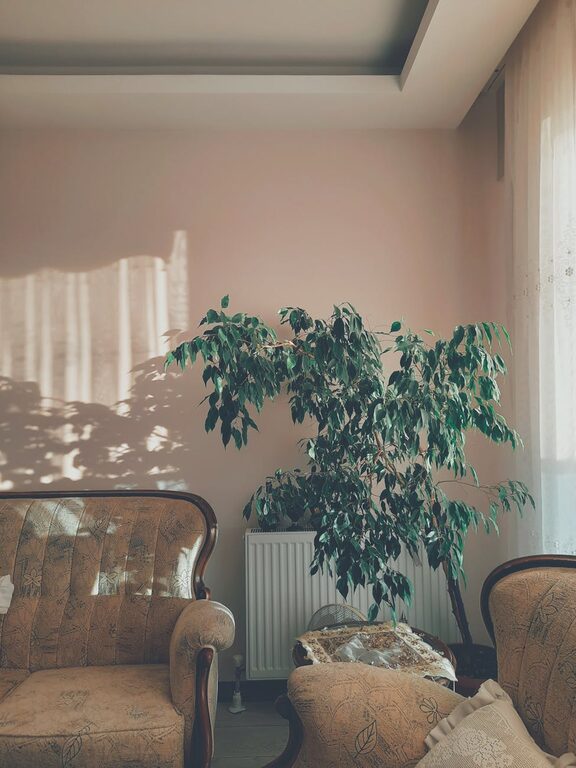
Creating a cozy and inviting home environment is a wonderful way to make your living space more enjoyable and welcoming. Whether you’re spending time alone, with family, or having guests over, a warm and comfortable atmosphere can enhance your mood and foster a sense of belonging. In this post, we’ll explore practical tips and ideas that can help you transform your home into a cozy oasis.
Why a Cozy Home Matters
A cozy home isn’t just about looks; it’s about creating a space where you feel relaxed and at ease. A welcoming environment can reduce stress, improve mood, and encourage connection with loved ones. By focusing on comfort, warmth, and personal style, you can create a space that truly feels like home.
1. Choose Warm, Soothing Colors
Color plays a big role in how a room feels. Soft, warm tones like beige, soft grays, muted blues, and earthy shades create a calming backdrop. Avoid overly bright or harsh colors in your main living areas if comfort is your goal.
– Consider accent walls in warm tones.
– Use color to highlight cozy areas, like reading nooks.
– Bring in natural materials like wood to complement your color palette.
2. Layer Your Lighting
Good lighting sets the mood of a room. Instead of relying on a single overhead light, use a combination of light sources.
– Add table lamps and floor lamps with warm bulbs.
– Use dimmers to adjust brightness to your comfort level.
– Incorporate candles or fairy lights for a soft, flickering glow.
– Position lights to avoid glare but provide enough illumination for activities.
3. Invest in Comfortable Furniture
Comfort is key for cozy living spaces. Choose furniture that invites you to sit back and relax.
– Prioritize plush sofas, armchairs, and ottomans.
– Use removable, washable covers if you have children or pets.
– Arrange seating to facilitate conversation and connection.
– Add supportive cushions and throw pillows for extra softness.
4. Add Textiles and Soft Fabrics
Textiles add texture and warmth to any room.
– Use soft blankets and throws on sofas and chairs.
– Layer area rugs to create warmth underfoot, especially on hardwood or tile floors.
– Choose curtains that block drafts and add softness to windows.
– Mix materials like wool, cotton, or faux fur for added coziness.
5. Personalize Your Space with Meaningful Décor
Incorporate items that tell your story and make you feel connected.
– Display photos, artwork, or souvenirs that have special meaning.
– Use books and magazines as decorative elements.
– Bring in plants to add life and fresh air.
– Be selective; avoid clutter to maintain a peaceful vibe.
6. Create Dedicated Cozy Corners
Set aside spaces meant purely for relaxation.
– Design a reading nook with a comfy chair, good lighting, and a small shelf.
– Add a meditation or yoga corner with cushions and natural elements.
– Place a small table near your favorite chair for drinks and snacks.
7. Use Scents to Enhance Ambiance
Pleasant scents can reinforce the feeling of home.
– Use essential oil diffusers or scented candles with aromas like lavender, vanilla, or cinnamon.
– Consider natural options like fresh flowers or pinecones.
– Avoid overpowering fragrances; subtle scents create a welcoming atmosphere.
8. Keep Your Space Clean and Organized
A cluttered or messy space can feel stressful rather than cozy.
– Regularly tidy up to maintain a calm environment.
– Use smart storage solutions to keep belongings out of sight.
– Donate or recycle items you no longer use.
– Organize commonly used areas for easy access and comfort.
9. Embrace Natural Elements
Incorporating natural materials and elements adds warmth and grounding.
– Wood furniture, woven baskets, and stone accents bring texture.
– Houseplants improve air quality and add vibrant green tones.
– Natural light makes rooms feel more open and cheerful.
10. Adjust for the Season
Consider seasonal touches to keep your home feeling fresh and inviting all year round.
– In colder months, add chunky knit throws, heavier curtains, and warm color accents.
– In warmer months, swap out textiles for lightweight fabrics, and introduce fresh flowers.
– Change lighting to match seasonal daylight patterns.
—
Final Thoughts
Creating a cozy and inviting home environment is all about blending comfort, style, and warmth. By paying attention to colors, lighting, fabrics, and personal touches, you can craft a welcoming space that reflects your personality and makes everyone feel at ease. Start with small changes, enjoy the process, and watch your home transform into the comforting retreat you deserve.