
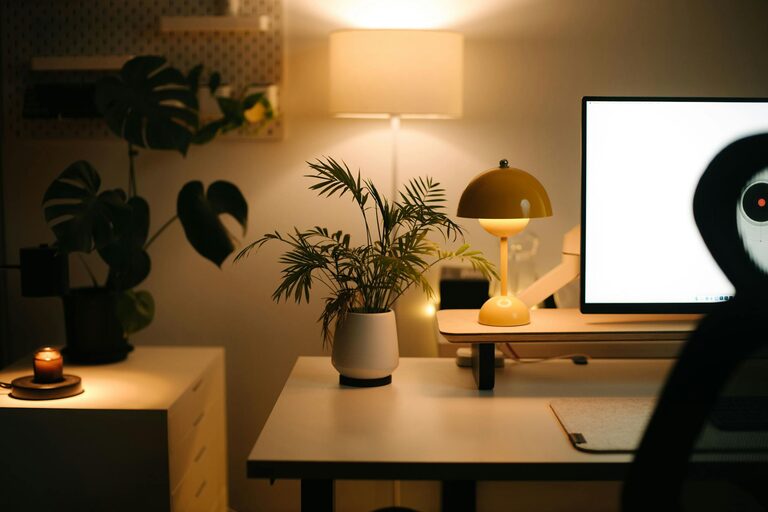
Creating a relaxing home workspace is essential for maintaining focus, reducing stress, and boosting productivity. Whether you work remotely full-time or occasionally need a quiet spot to complete tasks, a calming environment can make all the difference in your workflow. This guide offers practical tips for designing a workspace that promotes both relaxation and efficiency.
Why a Relaxing Workspace Matters
A well-organized, serene workspace creates a positive atmosphere that helps you concentrate and stay motivated. When your environment is cluttered or uninspiring, it can increase stress and reduce your ability to focus. On the other hand, a designated area designed with comfort and calmness in mind encourages a productive mindset and makes work feel less taxing.
Choosing the Right Location
Start by selecting a quiet spot in your home away from distractions such as the TV or high-traffic areas. Natural light is a major benefit to any workspace—it helps regulate your mood and keeps you alert. If possible, position your desk near a window, but make sure the sunlight doesn’t cause glare on your computer screen.
Ergonomic Furniture Matters
Comfort plays a crucial role in keeping you relaxed and productive. Invest in a good-quality chair that supports your back and promotes good posture. Your desk should be at a height that allows your arms to rest comfortably while typing or writing to avoid strain.
– Chair tips:
– Adjustable height and lumbar support
– Padded seat and breathable fabric
– Desk tips:
– Sufficient surface area for essentials
– Space underneath for legroom
Keep It Organized and Clutter-Free
Clutter can create mental distractions and increase stress. Keep your workspace tidy by incorporating storage solutions such as shelves, drawers, or desk organizers. Limit items on your desk to what you regularly use; store other supplies nearby but out of sight to maintain a neat appearance.
Tips to stay organized:
– Use cable management tools to keep cords neat
– Sort paperwork into labeled folders or trays
– Regularly declutter and clean your area
Use Calming Colors and Décor
Colors affect mood and productivity. Soft, neutral tones like light blues, greens, or pastels can create a peaceful atmosphere, while brighter colors may improve energy levels if used thoughtfully.
Incorporate simple décor items such as:
– Plants for a touch of nature and cleaner air
– Inspirational art or quotes that motivate you
– Personal touches like photos or meaningful objects, but avoid overcrowding
Incorporate Natural Elements
Adding natural elements like plants or wood textures can reduce stress and boost creativity. Indoor plants are easy to care for and improve the air quality around you. Even small gestures like a wooden frame or stone paperweight can contribute to a natural feeling in your workspace.
Control Lighting for Comfort
Lighting plays a vital role in how relaxed and focused you feel. In addition to natural light, consider adjustable desk lamps that provide soft, directed lighting without glare. Avoid harsh overhead lights. Some people prefer warm-tone bulbs to create a cozy environment.
Manage Noise Levels
Noise can be distracting, especially if you live in a busy household or urban area. If silence isn’t an option, using white noise machines, soft background music, or noise-canceling headphones can help maintain concentration.
Set Boundaries and Routine
A relaxing workspace isn’t just about the physical environment but also about your habits. Establish a routine that includes regular breaks, stretching, and hydration. Communicate boundaries to family or roommates to minimize interruptions during work hours.
Add Tools to Enhance Focus
Consider adding items to your workspace that help you maintain focus and reduce fatigue, such as:
– A timer or productivity app to pace your work periods
– A comfortable mouse pad or wrist rest
– A water bottle to stay hydrated within easy reach
Final Thoughts
A relaxing home workspace designed with your comfort and needs in mind can transform your workday. By choosing the right location, organizing your space, and incorporating elements that promote calm, you can create an environment that helps you stay focused, reduces stress, and ultimately boosts your productivity. Start small by implementing a few tips and adjust your space until it feels just right for you.
Remember, your workspace is your personal productivity zone—make it a place where you enjoy spending your time.