
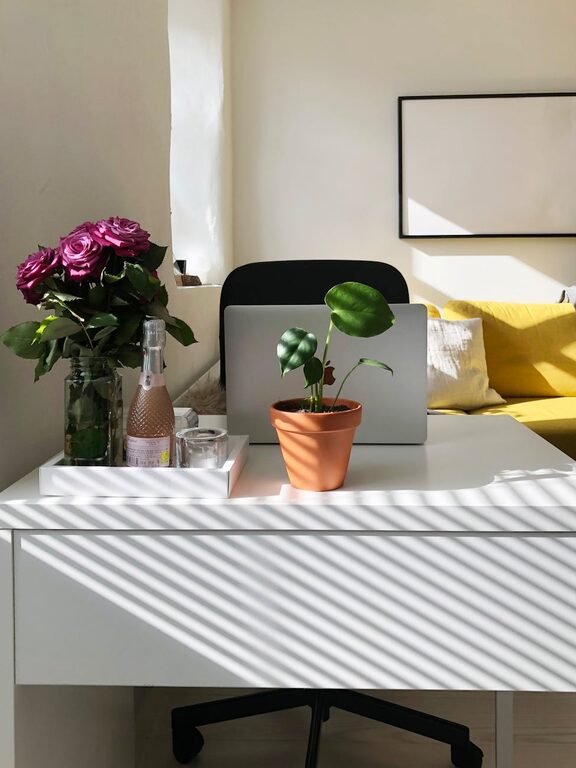
Creating a home office that balances comfort and productivity can make a big difference in your work-from-home experience. A cozy space encourages you to settle in and stay focused, while an organized and functional setup helps you get tasks done efficiently. Whether you have a dedicated room or just a corner in your living area, these tips will help you design a home office that fits your needs and style.
Choose the Right Spot
Start by selecting a location that minimizes distractions and lets you work peacefully. Ideally, pick a quiet area away from heavy foot traffic and noise. Natural light is a bonus, so if possible, position your desk near a window. If natural light isn’t an option, invest in good quality lighting to keep your space bright and energizing.
Invest in Ergonomic Furniture
Comfort is key when spending long hours at your desk. Choose an adjustable chair that supports your back and promotes good posture. Your desk should be the right height so your arms rest comfortably when typing. Consider a sit-stand desk if you want the flexibility to change positions during the day, which can help reduce fatigue.
Keep Your Space Organized
An organized workspace reduces stress and boosts productivity. Use storage options like shelves, drawers, and filing cabinets to keep supplies out of sight but within reach. Desk organizers can help manage small items like pens, paper clips, and sticky notes. Try to keep your desktop clutter-free to maintain focus.
Tips for Organization
– Use cable management tools to prevent cords from tangling.
– Label storage containers for easy access.
– Dedicate specific spots for frequently used items.
– Regularly declutter to maintain order.
Add Personal Touches
A home office should feel inviting, so add elements that make you happy and motivated. This could be artwork, plants, or photos. Plants not only brighten your space but also improve air quality and create a calming atmosphere. Choose a few items that inspire you without overcrowding the room.
Optimize Lighting
Proper lighting helps reduce eye strain and improves mood. In addition to natural light, use a combination of overhead lights and task lighting. A desk lamp with adjustable brightness can be particularly useful when working in the evening or on cloudy days. Soft, warm lighting tends to make a space feel cozy.
Minimize Distractions
Create boundaries to keep distractions at bay. If you live with others, communicate your working hours and ask for quiet during those times. Use noise-canceling headphones or white noise machines if necessary. Keeping your smartphone on silent or out of reach can also help maintain concentration.
Incorporate Technology Wisely
Equip your office with the right technology to support your work. Ensure you have a reliable internet connection, and invest in high-quality accessories like a keyboard, mouse, and monitor that suit your workflow. Keeping your devices clean and well-maintained reduces frustrations and downtime.
Maintain a Comfortable Temperature
Temperature affects your comfort and productivity. Keep your home office well-ventilated and at a comfortable temperature throughout the day. Use fans, heaters, or humidifiers as needed to create a pleasant environment.
Create a Routine
Lastly, establish a daily routine that separates work time from personal time. Having set hours helps you stay disciplined and signals to your brain when it’s time to focus. Include breaks to stretch, hydrate, and refresh. A consistent routine promotes productivity and helps prevent burnout.
—
Designing a cozy and productive home office is about blending functionality with comfort. By focusing on location, ergonomics, organization, lighting, and personal touches, you can create a space that supports your best work and makes working from home a pleasure. Implement these tips to transform your home office into a place where you look forward to spending your day.